Which towns can you actually get a good night’s rest in, without breaking the bank? Honestly, the answer is surprisingly simple – it’s those smaller, practical stops between major destinations, not the places that are all the rage on social media. I’m Paul, and after years on the road leading trips right around Australia, I’ve learned that where you sleep makes just as much difference as where you go.
Most people plan their travels around the real showstoppers – Gold Coast, Sunshine Coast, Airlie Beach – and end up feeling rushed, tired and wondering why their whole trip just feels flat. On the other hand, the best experiences are actually happening in the tiny towns that you drive straight past on your way to somewhere else. That’s where you get some space, a good night’s rest, and actually experience something worthwhile.
Contents
- 1 Why The Right Overnight Stop Matters
- 2 The Stops That Actually Deliver
- 2.1 Getting There And What To Expect
- 2.2 What Most People Get Wrong About This Place
- 2.3 Real-World Details and Timing:
- 2.4 Costs
- 2.5 And A Few Other Things To Keep In Mind
- 2.6 Tom Price, WA – The Base That Gets You Deep into Karijini
- 2.7 Getting there and the logistics:
- 2.8 What tends to catch people out:
- 2.9 Realising a timetable:
- 2.10 Costs (AUD) :
- 2.11 Safety considerations:
- 2.12 Who it’s good for:
- 2.13 Halls Gap, VIC – A Smart Detour from the Coast
- 2.14 Getting there:
- 2.15 What most people get completely wrong:
- 2.16 Real life:
- 2.17 Costs (AUD) :
- 2.18 Practical insight:
- 2.19 Strahan, TAS – Where Time Slows Down
- 2.20 Getting there and what to expect:
- 2.21 What catches people out:
- 2.22 Reality check:
- 2.23 Costs (AUD) :
- 2.24 Who it’s for:
- 2.25 Winton, QLD — The Outback Done Properly
- 2.26 Getting there:
- 2.27 What most people get wrong:
- 2.28 Real conditions:
- 2.29 Costs (AUD):
- 2.30 Experience insight:
- 3 Practical Comparison At A Glance
- 4 Where People Get It Wrong
- 5 When Time Is Tight
- 6 Expectation vs Reality – The Chasm That Kills Trips
- 7 Simple Check Before Any Stop
- 8 What Your Own Experience Teaches You
- 9 The Real Deal: It’s Between The Highlights
- 10 FAQ
Why The Right Overnight Stop Matters
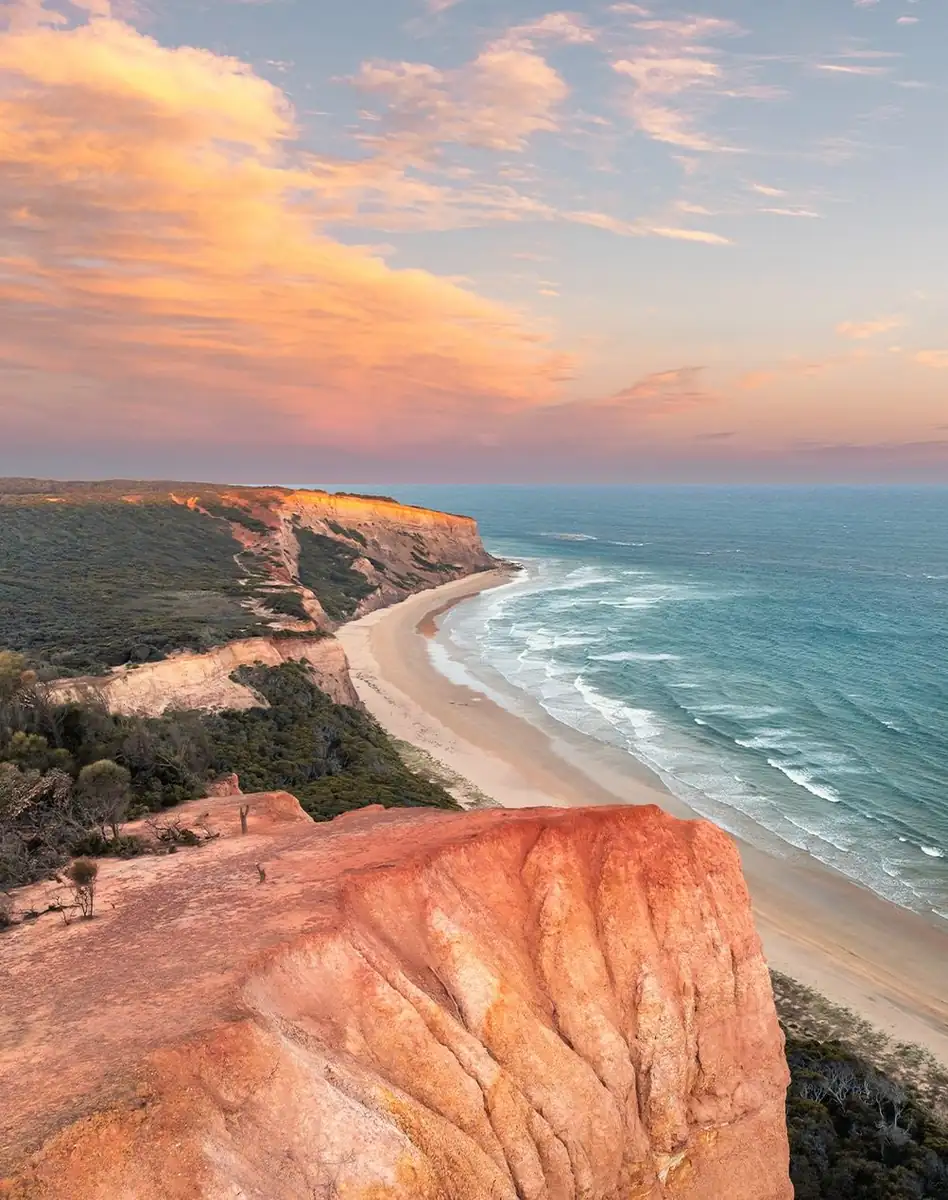
A good overnight town is all about giving yourself a break from the pace of the trip, managing your fatigue and finding something worth stopping for. Even if that’s just a quiet walk or a good pub meal.
From what I’ve seen leading trips like the Great Ocean Road from Melbourne, most people get caught out because they plan the destinations rather than the journey. They push themselves too hard, arrive late and end up missing out on the best bits of the place.
The towns below may not be famous – they’re not even on everyone’s bucket list – but theyre reliable, functional and – get this – actually memorable. Which is kind of what you want on a long road trip around Australia.
The Stops That Actually Deliver
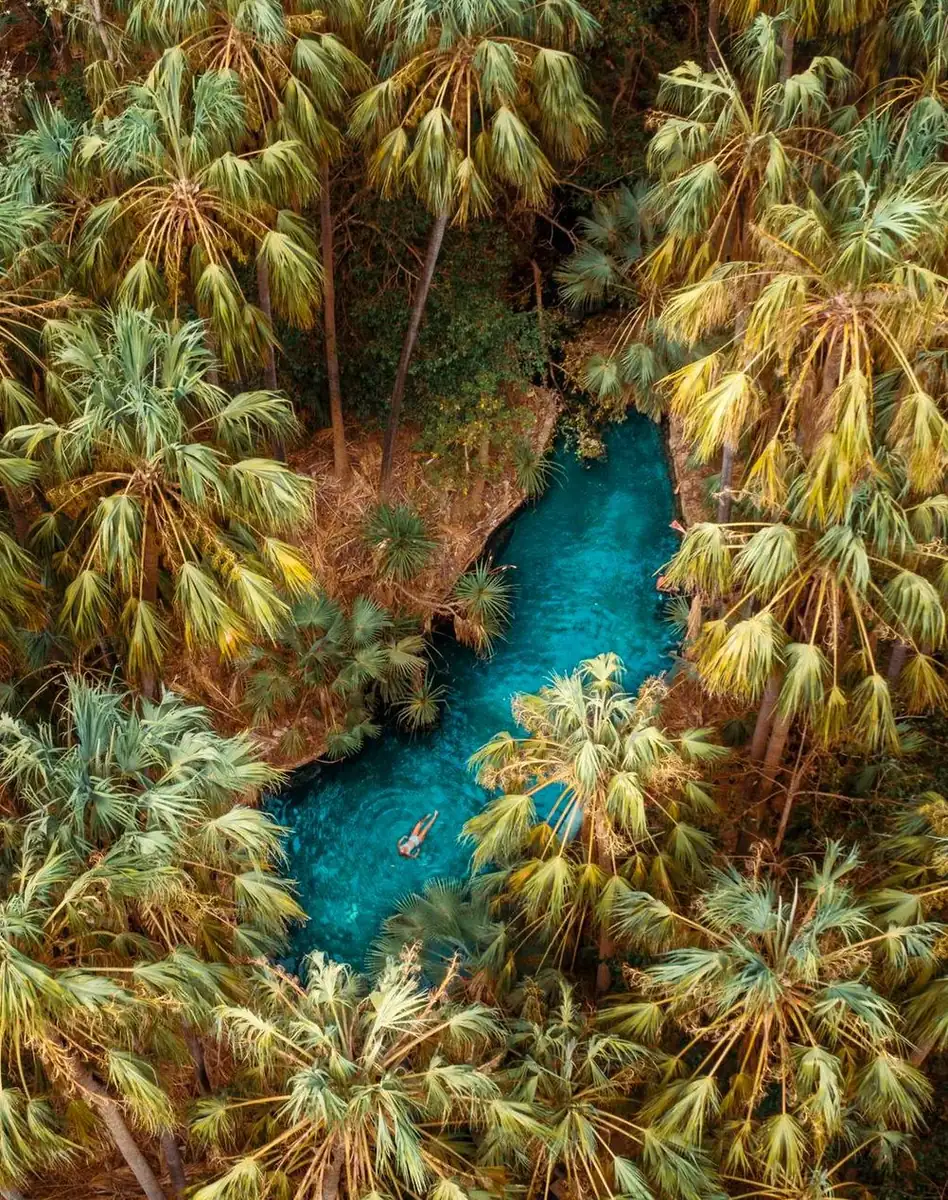
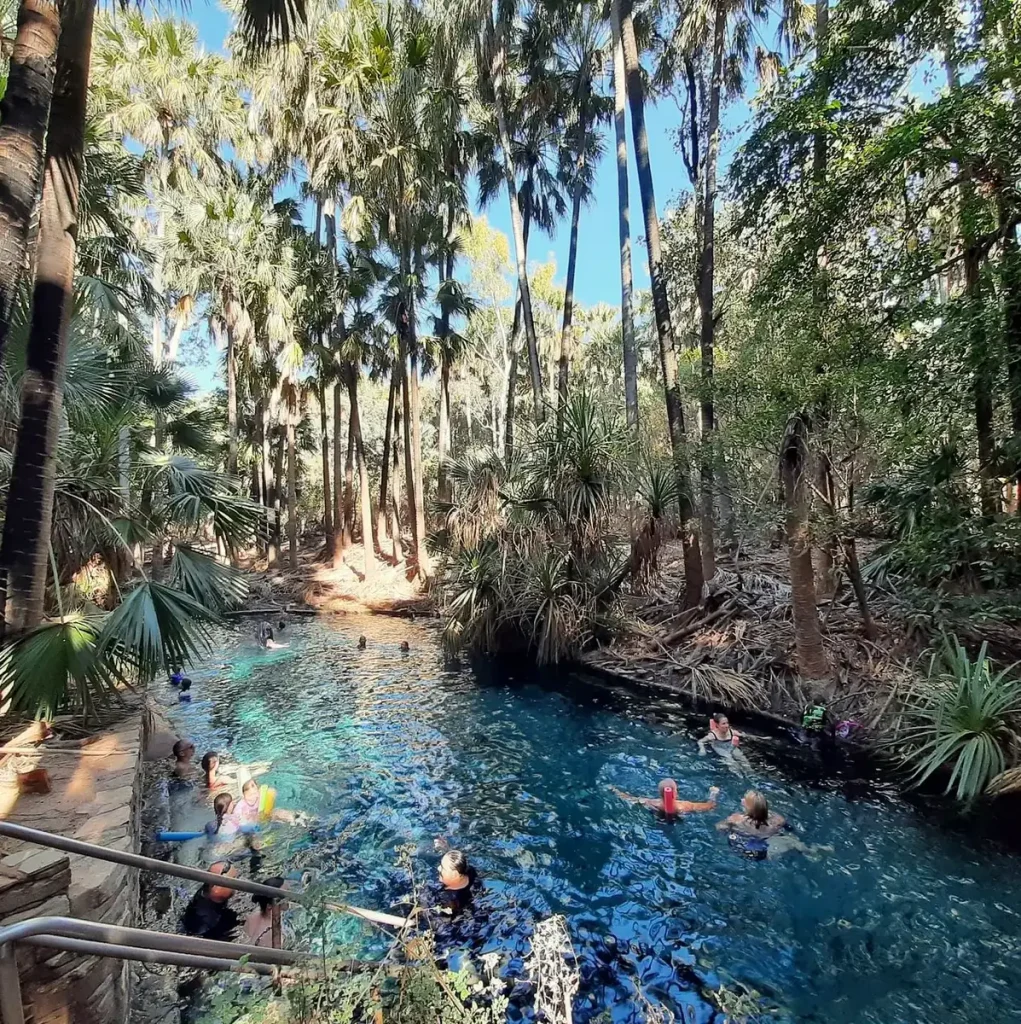
Mataranka is one of the best inland overnight stops in the country. Especially if you’ve been driving along the Stuart Highway for a while. It’s not flashy, but it gets the job done.
Getting There And What To Expect
Only a quick hop off the highway, about 4 hours south of Katherine. Easy access, parking and no need for any special gear.
What Most People Get Wrong About This Place
They stop off for a quick dip and then leave. But that misses the whole point. The hot springs are actually best enjoyed early in the morning – when the steam is rising, there’s no one around, and you don’t have to fight for space.
Real-World Details and Timing:
- The water temperature sits around 34 degrees year-round – so it’s always a nice and toasty soak.
- In the dry season (May to October) it’s pretty comfortable, but in the wet season it’s a bit more humid, and the mozzies come out in force – so be prepared.
- Plan on spending at least half a day here, don’t rush it.
Costs
You can score a basic campsite for $25 or a cabin for $120-$180. Meals are around $25 to $35.
And A Few Other Things To Keep In Mind
Mozzies are a real pain at dusk – so make sure you bring some gear to deal with them. If you’re not prepared, they can quickly ruin your experience.
Tom Price, WA – The Base That Gets You Deep into Karijini
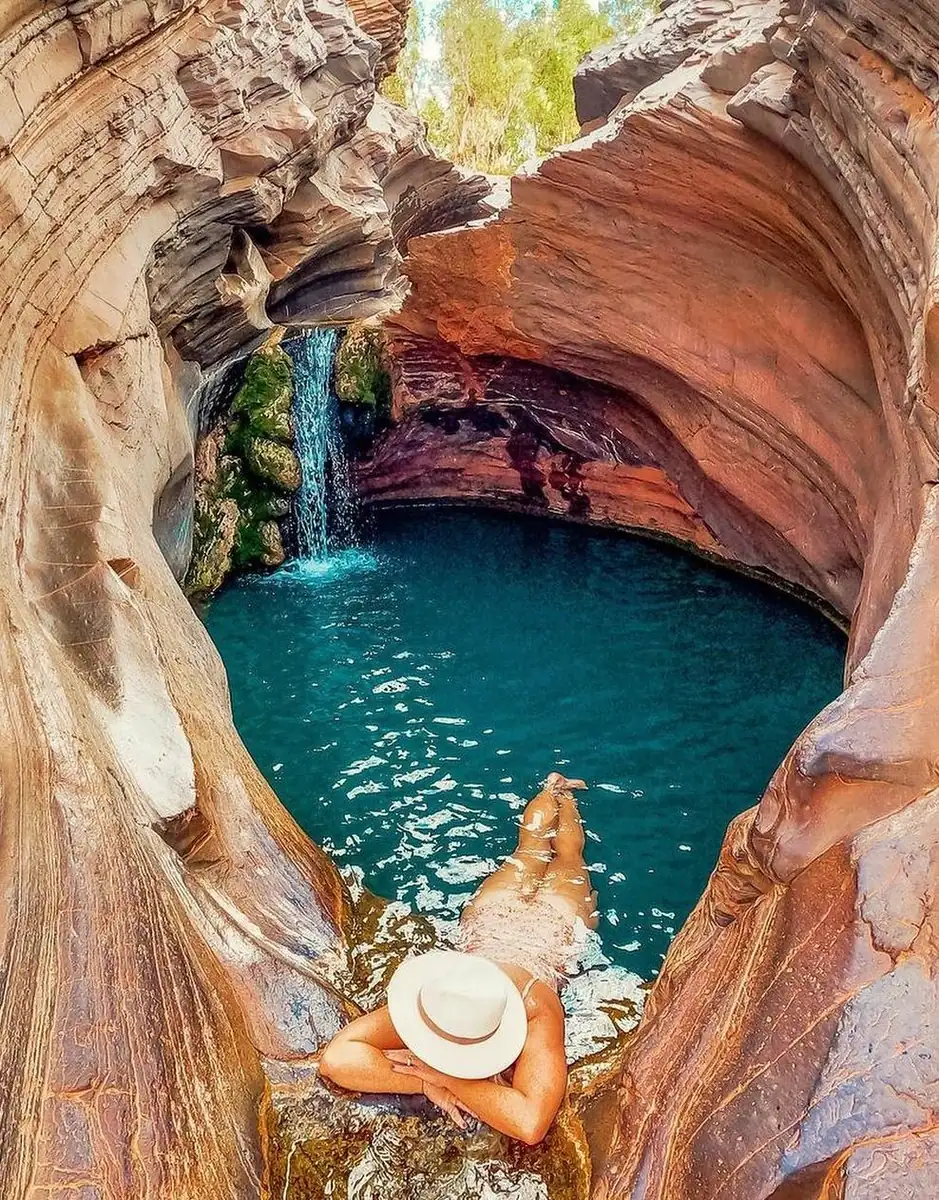
Karijini is one of Australia’s really standout national parks, but most people drastically underestimate just how tough it can be to explore properly. Tom Price helps solve that problem.
Getting there and the logistics:
You’ve got a sealed road right into the town, then a mix of sealed and unsealed roads that’ll get you into the park. You don’t need a hardcore 4WD to get around everywhere, but you do need a bit of a plan.
What tends to catch people out:
The distances inside the park are a whole lot longer than people expect. What’s supposed to be a “quick visit” to a few gorges can easily turn into a full day.
Realising a timetable:
Tom Price to Dales Gorge is a good 1.5 hours each way, so you need to add time in for walking, climbing and stopping. That easily adds up to a whole day.
Costs (AUD) :
Park entry is around $17 per vehicle, and you’re looking at between $120 and $250 for accommodation. Then there’s the fuel costs – you do need to budget for those.
Safety considerations:
There are some steep descents, loose rock and the heat in summer is no joke. This is not the kind of place you want to take a casual stroll through.
Who it’s good for:
It’s ideal for active travellers who want to get out into some serious landscapes without having to rough it every night in a campsite.
Halls Gap, VIC – A Smart Detour from the Coast
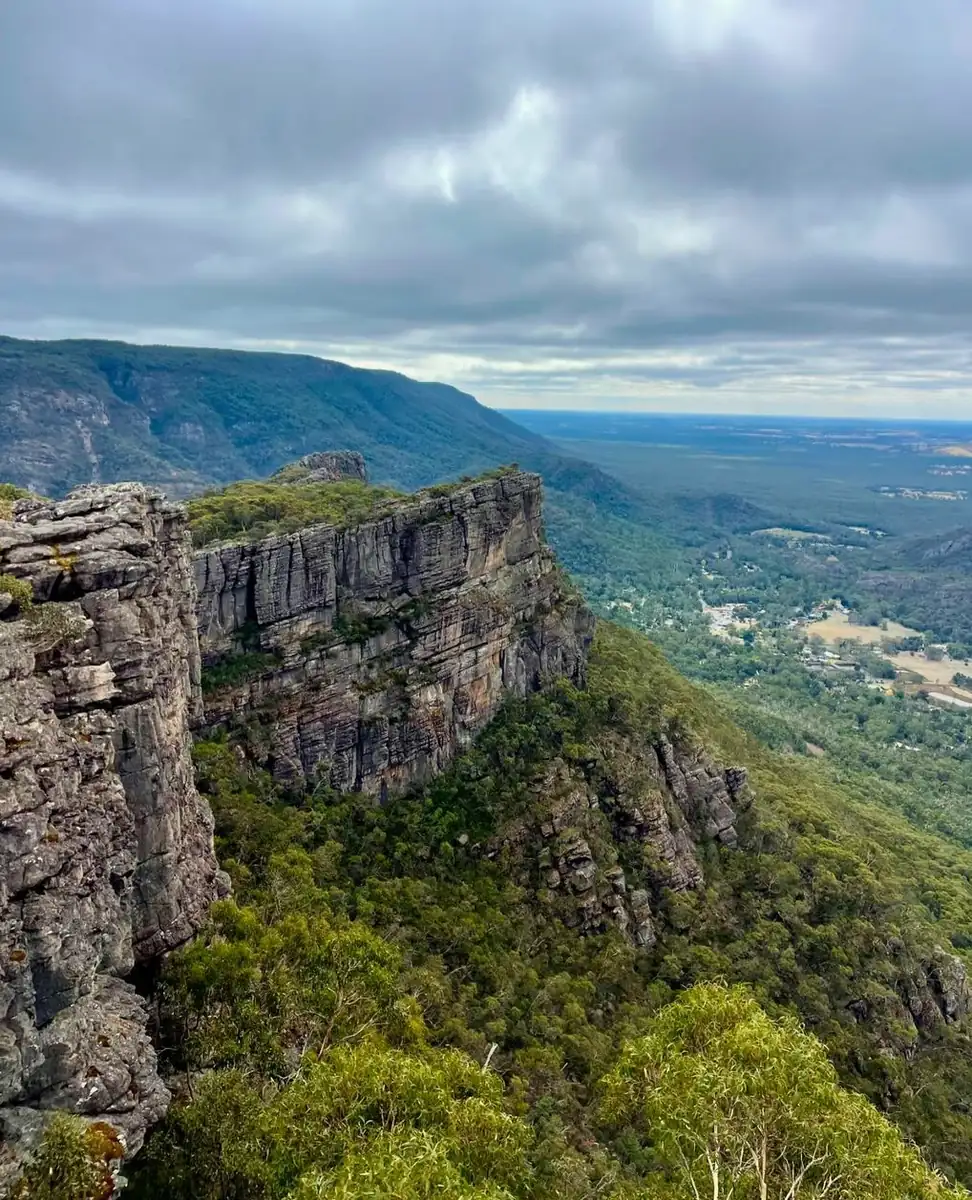
If you’ve ever tried to cram everything into a Great Ocean Road day tour from Melbourne, then you know how rushed it feels. Halls Gap offers you a chance to breathe a little easier by getting inland.
Getting there:
You’re looking at around 3 hours of driving inland from the coast. The roads are fully sealed and easy to navigate.
What most people get completely wrong:
They drive through the place in the day and miss out on the best bits – the early morning and dusk are when things really come alive.
Real life:
- Kangaroos and other wildlife start appearing as the sun sets
- You get to explore some of the quieter areas, like Mount Buangor National Park and Mount Cole State Park
- The conditions are a lot cooler compared to the coastal routes
Costs (AUD) :
Accommodation costs between $100 and $220, and meals are around $20 to $40.
Practical insight:
If you’re doing the Great Ocean Road trips, adding an overnight stop in Halls Gap totally turns a rushed drive into a decent journey.
Strahan, TAS – Where Time Slows Down
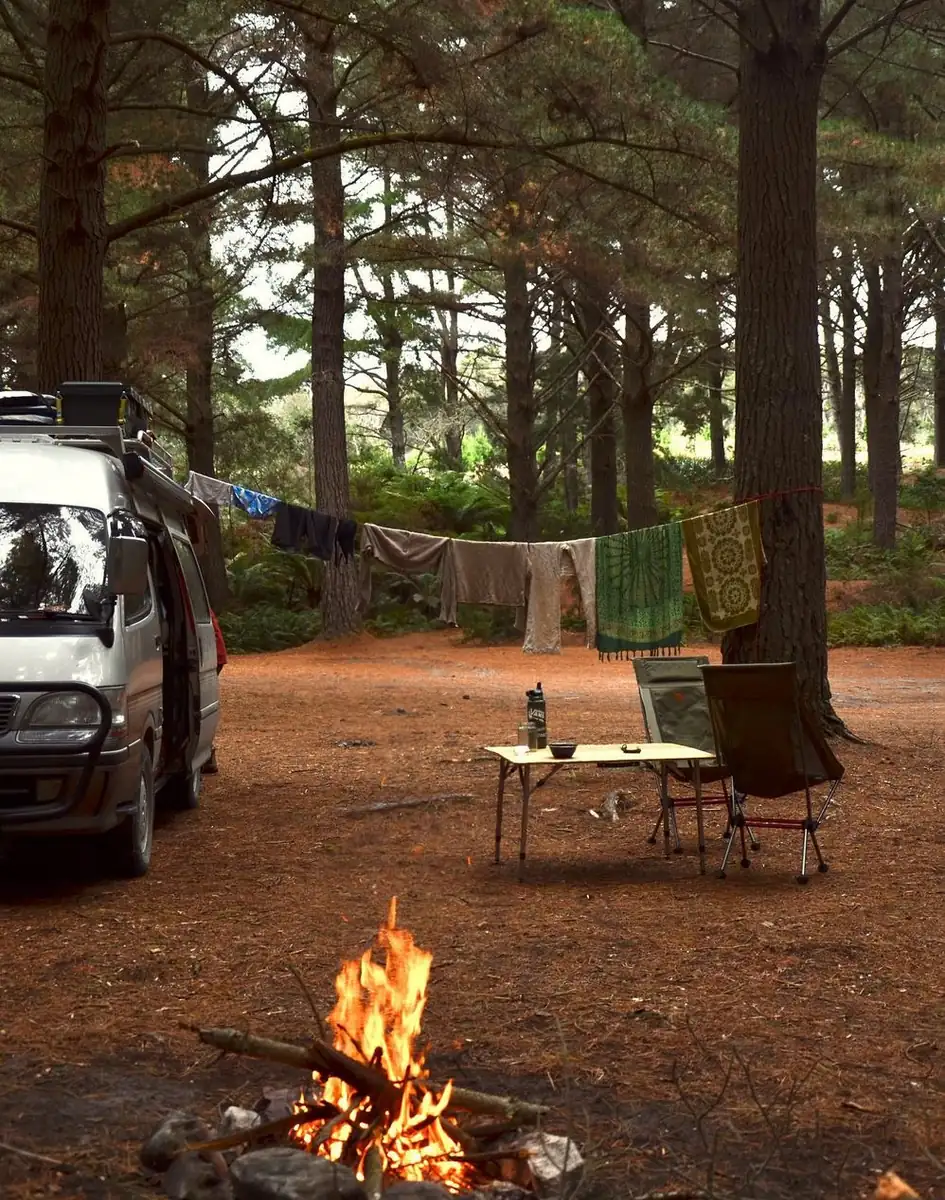
Strahan is perched on the west coast of Tasmania, and getting there is no rush. That’s part of the charm.
Getting there and what to expect:
You’re on winding roads from Queenstown, so be prepared for some slower driving – give yourself a bit of extra time beyond what your maps say.
What catches people out:
People tend to underestimate how long it will take to get there and overestimate the number of services available.
Reality check:
- The weather can change in a heartbeat, so rain is a definite possibility
- Your dining options are pretty limited, so make sure you plan ahead
- The Gordon River experience is well worth the effort
Costs (AUD) :
Accommodation costs between $130 and $260, and river cruises are around $120 to $150.
Who it’s for:
Travellers who don’t mind a bit of quiet and remote experiences – if you’re after convenience, then Strahan isn’t the place for you.
Winton, QLD — The Outback Done Properly
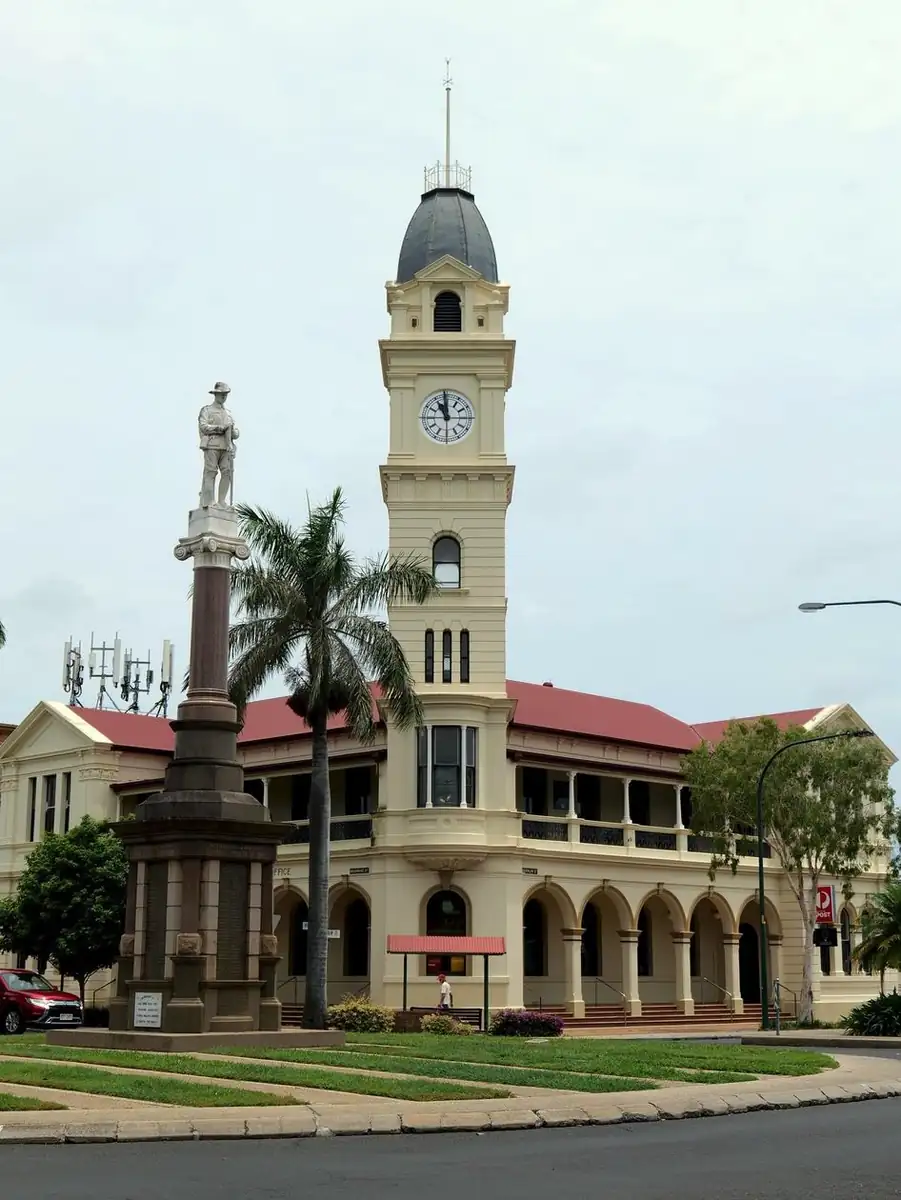
Winton sits far from coastal drawcards like Hervey Bay or Airlie Beach, and that’s exactly why it works.
Getting there:
Long inland drives. Fuel planning is essential — don’t assume the next stop is close.
What most people get wrong:
They underestimate heat and distance.
Real conditions:
- Summer temperatures regularly hit 40°C+
- Nights can cool quickly
- Roads are generally accessible, but long
Costs (AUD):
Accommodation from $90 to $180. Attractions around $20–$40.
Experience insight:
This is where you feel Australia’s scale — not just see it.
Practical Comparison At A Glance
| Town | Access Level | Physical Demand | Standout Feature | Key Risk | Best Stay Length |
|---|---|---|---|---|---|
| Mataranka | Easy | Low | Thermal springs | Mosquito, humidity | 1–2 nights |
| Tom Price | Moderate | Medium–High | Karijini access | Heat, remote terrain | 2–3 nights |
| Halls Gap | Easy | Low–Medium | Wildlife + hiking trails | Weekend crowds | 1–2 nights |
| Strahan | Moderate | Low | Remote coastal setting | Weather delays | 2 nights |
| Winton | Moderate | Low | Outback culture | Heat, long distances | 1–2 nights |
Where People Get It Wrong
The one thing that keeps tripping people up – especially on epic routes like the Great Ocean Road from Melbourne – is viewing overnight stops as a chore rather than an integral part of the whole experience.
People are prone to believing that:
- They can drive for hours longer than their body’s going to let them
- Small towns, just like cities, will have places open late for a feed
- Their GPS will magically get the timing right
But here’s the thing: roads are way longer than you think, wildlife has a mind of its own, and out in the sticks, they don’t exactly keep to the same schedule as the city.
When Time Is Tight
If you’re really short on time, the key’s all about self-control.
Doing a one day trip to the Great Ocean Road is doable if you’re cool with just ticking off the highlights. But if you want to actually experience things, even just one overnight stop – say in Halls Gap – changes the whole vibe.
When it comes to longer trips, spacing out your stops so they’re actually manageable is way more important than trying to cram in more places.
Expectation vs Reality – The Chasm That Kills Trips
You get the idea that:
You’re going to pull into a quiet little town, slap some dinner on and chill out\
Reality hits you in the face: you’re late, the kitchen’s closed, and your options are limited
You think you’re going to:
Roll out of bed, chuck a quick breakfast in the car and hit the road\
Reality is: those scenic drives take a lot longer than you thought, you’re knackered, and then you hit some unexpected delays
You reckon you can just swoop in, sort out the planning and be on your merry way
Reality says: seasonal closures, fuel stations that vanish into thin air and weather that’s just out to get you
Once you start to see the chasm between what you expect and what really happens, things get a lot better.
Simple Check Before Any Stop
Before you commit to any overnight stop, ask yourself a couple of basic questions:
- Will you actually make it there before the sun sets?
- Is there somewhere to get fuel around there?
- Are there places to grab a bite to eat when you roll in?
- Is the place itself actually worth sticking around for?
Skip any of these, and you’ll soon feel the effects.
What Your Own Experience Teaches You
From years of working with travellers – including those who book through Great Ocean Road Tours – I’ve noticed that what makes for a stand-out trip isn’t the sheer number of stops you make. It’s the exact right stops, where you take the time to actually experience things.
Whether it’s a Great Ocean Road trip from Melbourne or a longer inland run, the places you choose to stop each night are what set the tone for the whole trip.
Not the famous landmarks, the iconic spots – it’s the overnight locations that make the real difference.
The Real Deal: It’s Between The Highlights
The best overnight stops in Australia? They’re probably not the ones that are all over social media. They’re the ones that’ll actually make your road trip run smoothly – and feel real.
Slowing down and picking your stops wisely makes all the difference. Don’t just whizz past a place thinking you’ll get there tomorrow. The journey’s where the real magic happens.
FAQ
Are smaller inland towns really better than coastal ones?
Yeah, more often than not. Popular spots like the Sunshine Coast are alright, but inland towns offer heaps more space, way fewer people around, and a genuine sense of place.
How can I tell if I really want to hang out in a certain town for a bit?
Think about the nitty gritty stuff – getting in and out, where you can get some grub, if they’ve got fuel and what there is to see and do. Don’t just go by what you see on Instagram.
Are these stops okay if you’re new to this whole road trip thing?
Mostly yes, but some places (like Tom Price) require a bit more planning because of the terrain and conditions.
Is driving between these towns safe?
Generally, yeah – but if you can avoid driving at night, do. Wildlife in regional areas poses a pretty serious risk to your safety.
Should I book my accommodation in advance?
In peak season, absolutely. You never know when you’ll get stuck in a small town with no backup options.