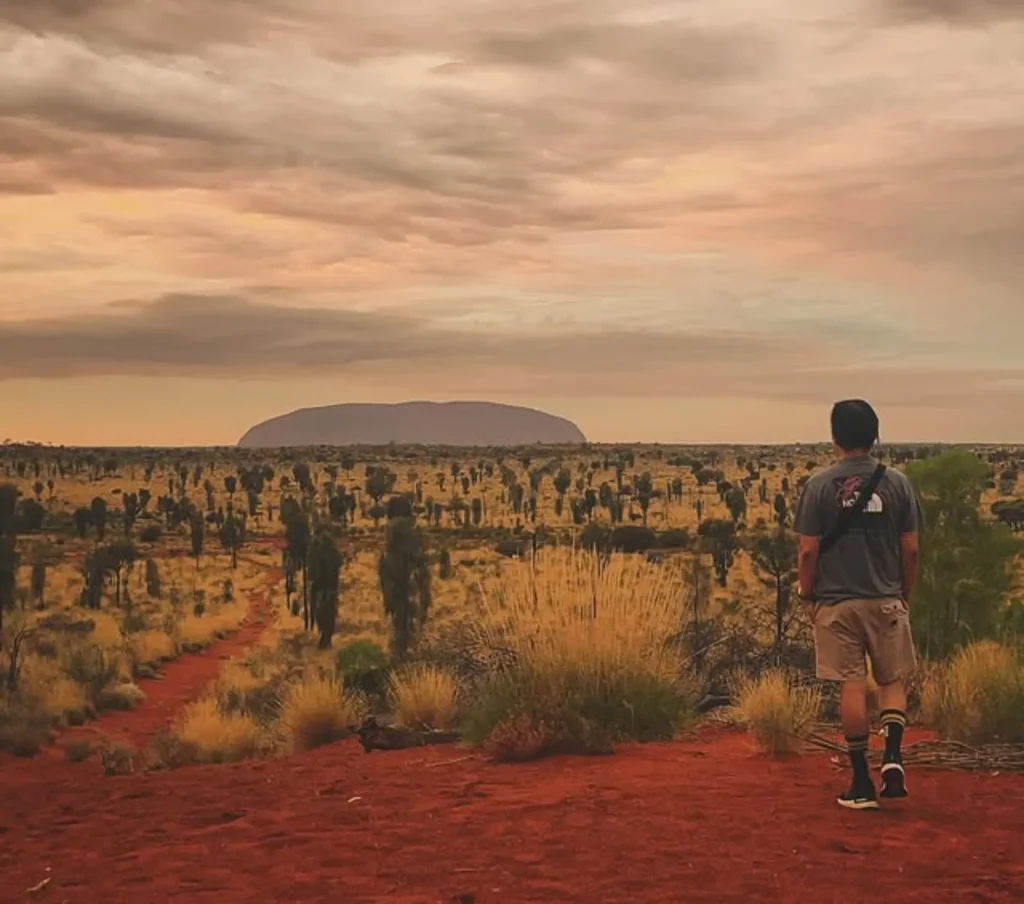
If you’ve ever stood at the base of Uluru or marvelled at images of the Great Pyramid of Giza, you might’ve asked the obvious question: Uluru From a distance, both are monumental, awe-inspiring, and steeped in history—one formed by nature, the other by human hands. But which one wins in terms of sheer size?
As an Australian travel expert, I’ve walked the red dust around Uluru many times and seen tourists stop in their tracks at its overwhelming scale. Let’s dive into the raw numbers, the cultural significance, and the traveller experience that help us compare Uluru to Egypt’s most famous stone giants.
Contents
Uluru: The Heart and Height of Australia
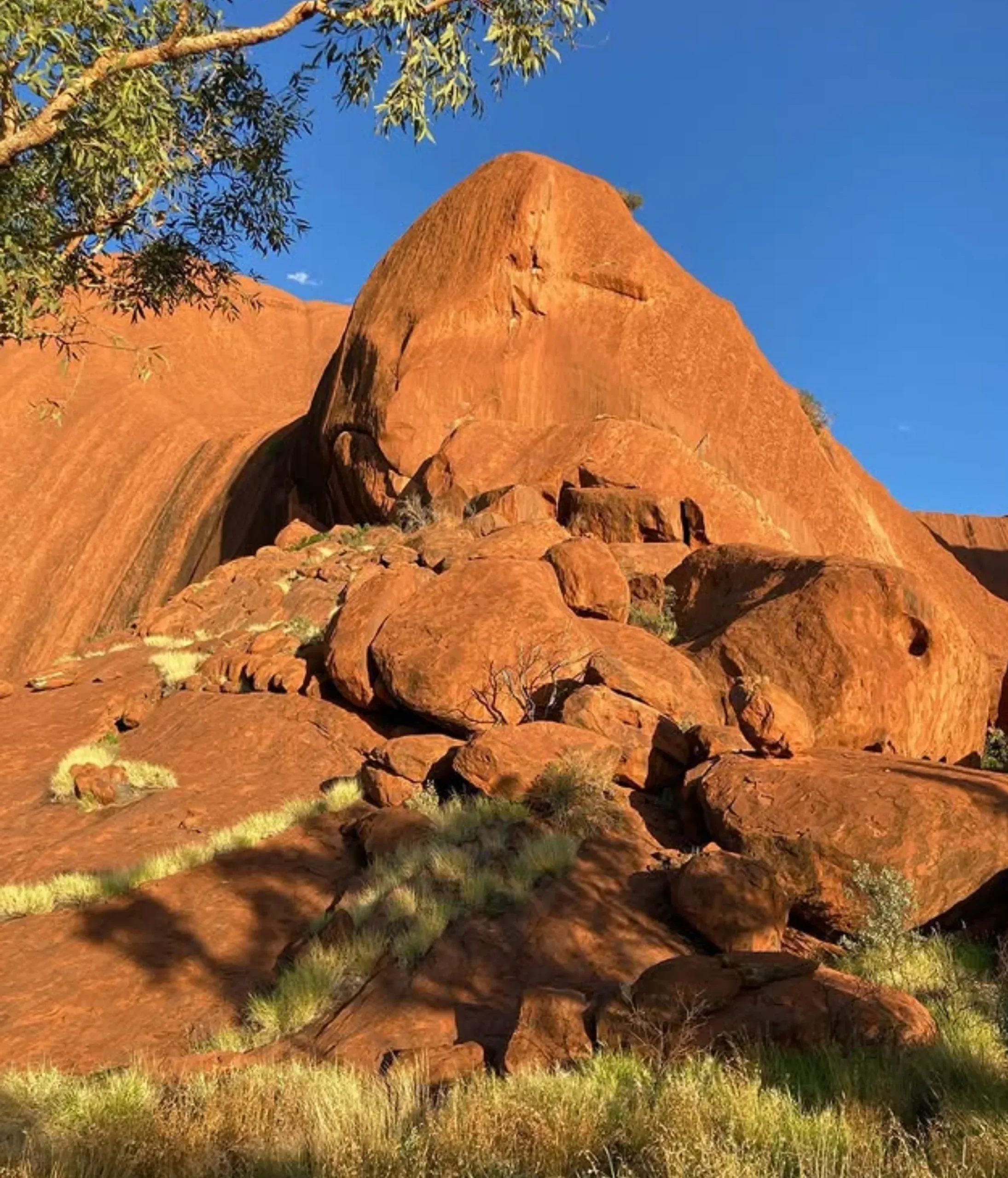
Uluru, formerly known as Ayers Rock, rises an impressive 348 metres above the desert floor, making it taller than the Eiffel Tower. But the real kicker? Most of Uluru is underground, rooted deep into the Central Australian earth like a geological iceberg.
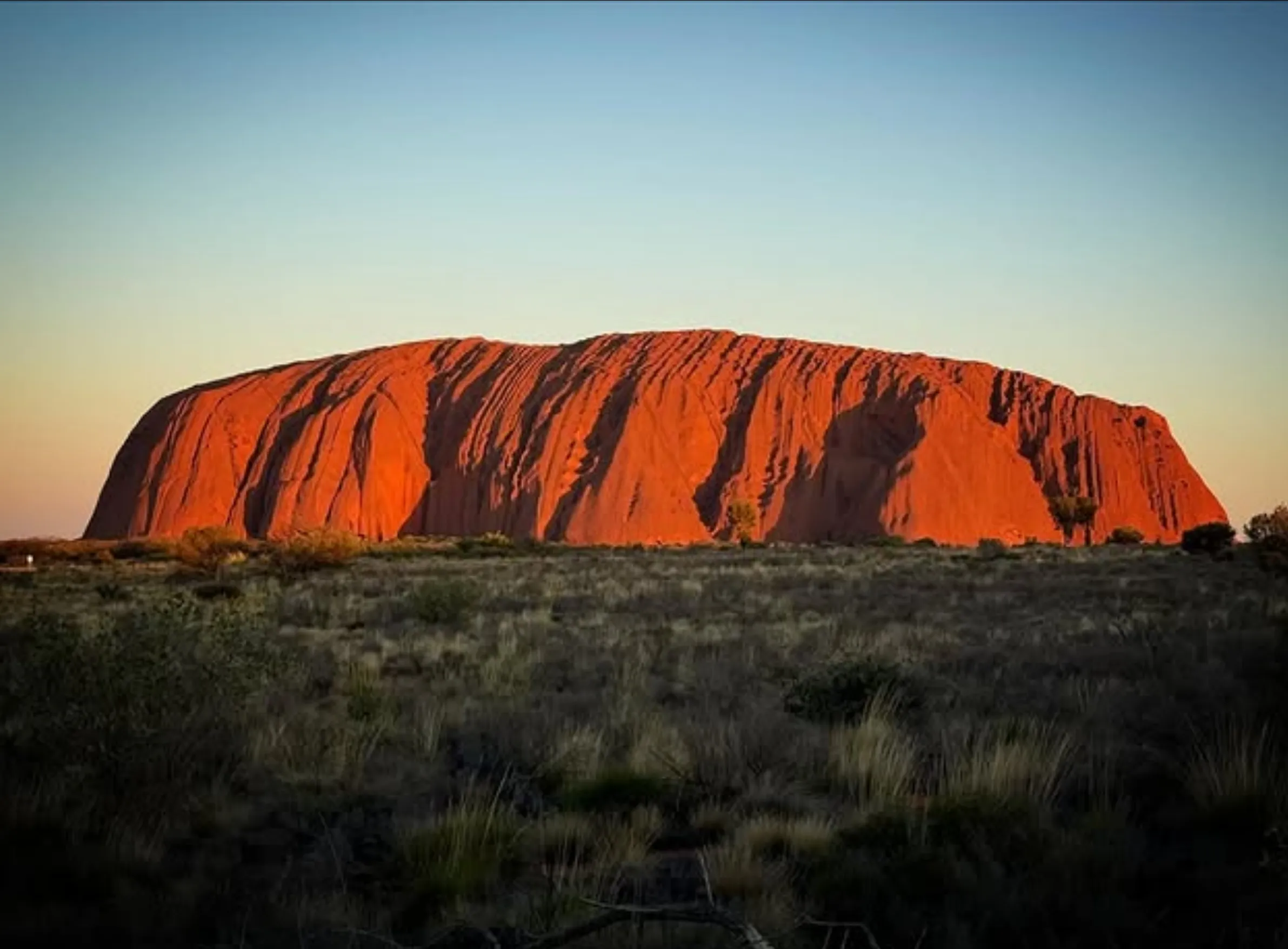
Its circumference spans about 9.4 kilometres, and its surface changes colour throughout the day, from blazing ochre at sunrise to deep purple at dusk. Uluru is one of the world’s largest monoliths, and when you stand before it, you’ll feel its presence before you even register its scale.
Joining one of the many Uluru tours is the best way to explore the full perimeter, learn the local legends, and appreciate the magnitude of this sandstone giant.
The Pyramids: Ancient Masterpieces of Man
The Great Pyramid of Giza, built around 2560 BC, originally stood 146.5 metres tall, though erosion has worn it down to about 138.8 metres today. Its square base is around 230 metres on each side.
Engineered with mathematical precision, the Great Pyramid is the only surviving structure from the Seven Wonders of the Ancient World. Its size is undeniably impressive, especially considering it was built over 4,500 years ago without modern machinery.
Still, in raw dimensions, Uluru dwarfs it—especially when you factor in the full hidden mass beneath the desert. If you could lay the pyramid next to Uluru, it would appear as a small bump beside a mountain.
A Quick Comparison
| Feature | Uluru | Great Pyramid of Giza |
|---|---|---|
| Visible Height | 348 m | 138.8 m (originally 146.5 m) |
| Circumference | 9.4 km | ~920 m (230 m per side base) |
| Age | 550 million years (geology) | ~4,500 years |
| Type | Natural sandstone monolith | Man-made limestone tomb |
| Cultural Significance | Living Aboriginal traditions | Ancient Egyptian mythology |
| Visitor Access | Walk around base (no climbing) | Ticketed entrance |
Size Isn’t Everything: The Cultural Scale of Uluru
Uluru’s magnitude isn’t just in its size—it’s in its spiritual depth. The Anangu people, the Traditional Owners of the land, consider Uluru a sacred site. Every curve, cave, and crevice is linked to Tjukurpa, the Aboriginal law and Dreamtime stories that shape their understanding of the world.
While the pyramids offer a glimpse into ancient Egyptian civilisation, Uluru is still a living cultural landscape. Visitors can attend ranger-led talks, view rock art thousands of years old, and engage with First Nations guides who share their stories and connection to country.
A 2 day Uluru tour often includes cultural walks, allowing travellers to respectfully explore the significance of sacred areas like the Mutitjulu Waterhole, Kuniya Walk, and the Mala Walk.
How Deep Does Uluru Go?
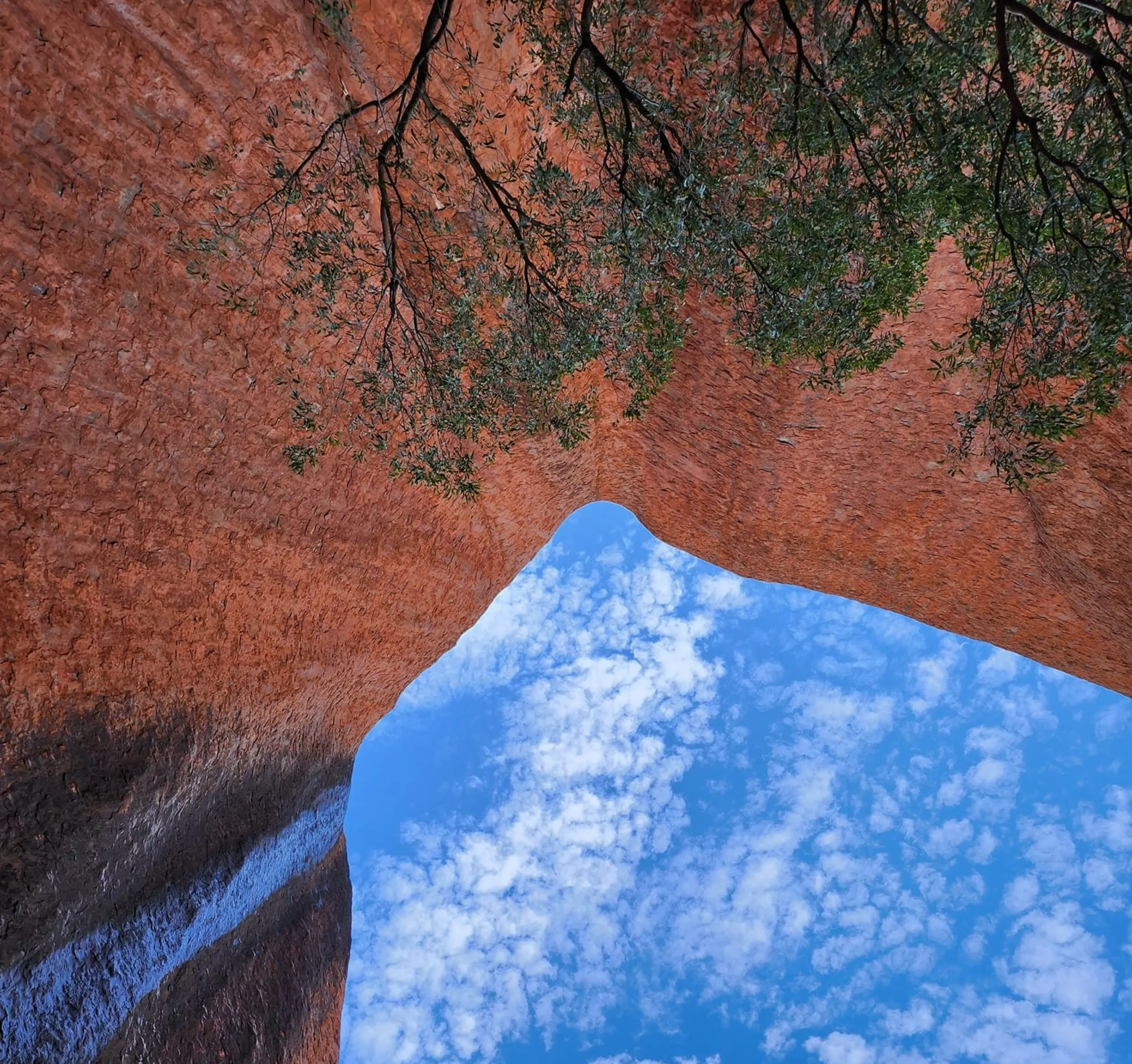
What many people don’t realise is that Uluru’s full mass extends several kilometres beneath the surface. Scientists believe Uluru is the exposed tip of a much larger rock formation—so when we say it’s bigger than the pyramids, we’re not exaggerating.
This subterranean anchor gives Uluru its lasting power. While the pyramids are incredible feats of human engineering, they’re still subject to erosion and decay. Uluru, on the other hand, has been shaped by wind and water for hundreds of millions of years and continues to evolve with the landscape.
Visiting Uluru: Travel Tips and Highlights
Getting There
Uluru sits in the Uluru-Kata Tjuta National Park, around 450 km from Alice Springs. You can fly directly to Ayers Rock Airport (Connellan Airport) or enjoy an epic road trip across the Red Centre.
Many travellers opt for a 2 day uluru tour from Alice Springs that includes camping, guided walks, and meals under the stars.
Best Time to Visit
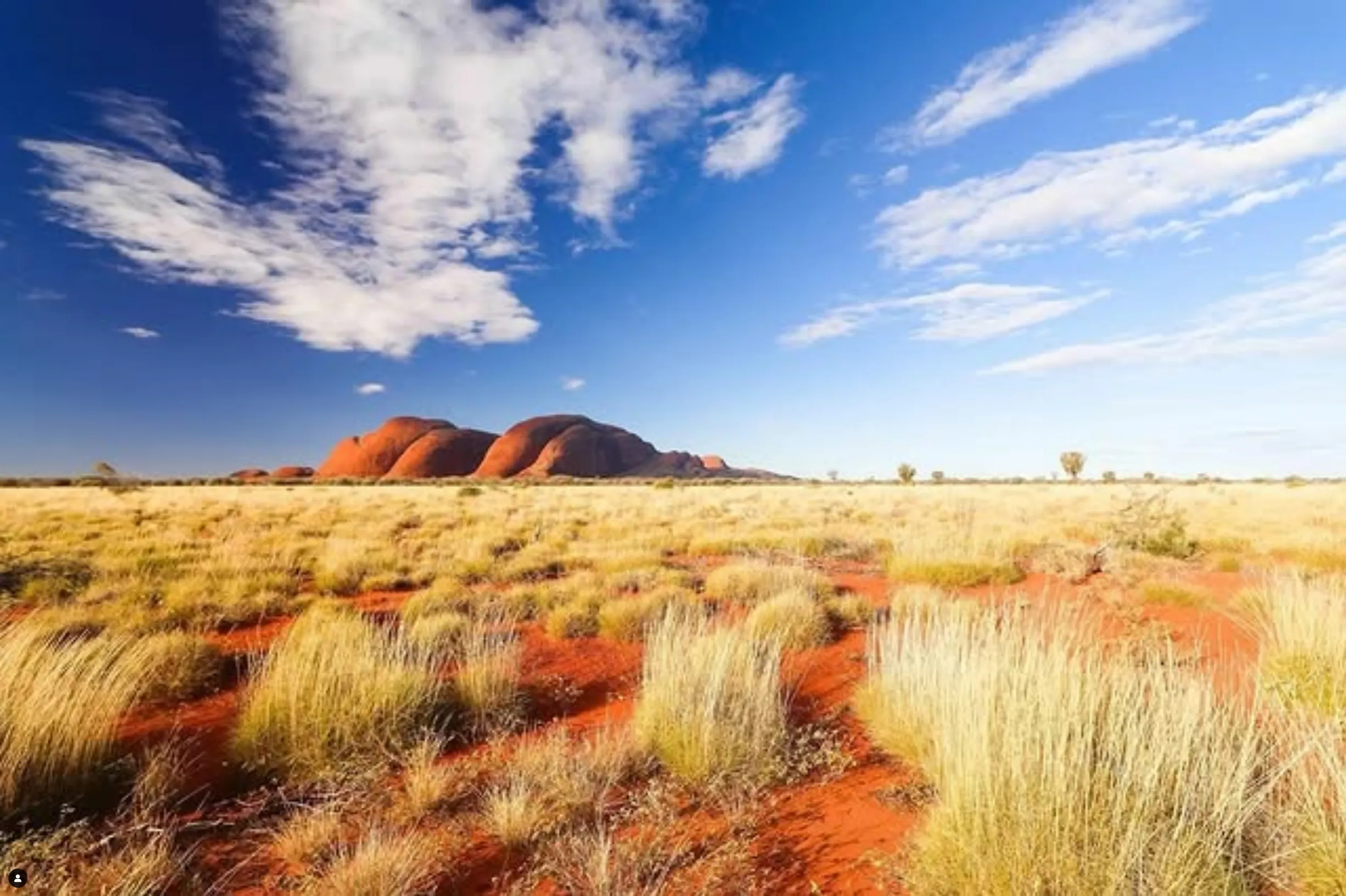
The ideal time to visit is from May to September, when the weather is cooler and more comfortable for walking. Summer months (December–February) can bring extreme heat, with temperatures topping 40°C.
Pack warm layers for overnight temperatures, which can dip significantly, especially during winter. Don’t forget plenty of water, a hat, sunscreen, and sturdy shoes for your walks.
Where to Stay
Accommodation suits every budget, from Ayers Rock Campground with powered and unpowered sites to the luxury Longitude 131° eco-lodges. The Ayers Rock Resort precinct includes:
- Desert Gardens Hotel
- Outback Pioneer Hotel
- Emu Walk Apartments
- Sails in the Desert
All options are within a 10-minute drive of the rock and offer shuttle services and guided tours.
What to Do
- Uluru Base Walk (10.6 km) – Circumnavigate the rock on foot for changing perspectives
- Field of Light – Bruce Munro’s solar-powered art installation in the desert
- Kata Tjuta (The Olgas) – 36 giant domes just 45 minutes away
- Uluru-Kata Tjuta Cultural Centre – Learn about Anangu heritage and land management
- Scenic Flights or Helicopter Tours – Take in Uluru’s full scale from the air
Many Uluru tour packages include all these experiences and more, letting you enjoy the scenery without logistics stress.
Popular Uluru Tours
Some popular itineraries include:
- 2 day Uluru tour from Alice Springs (camping and cultural sites)
- Uluru 3 day tour with Kings Canyon and Kata Tjuta hikes
- Autopia Tours offer premium small-group experiences with knowledgeable guides
For those with limited time, a day trip from Alice Springs is also possible, though less immersive.
Uluru vs. Pyramids: The Traveller Experience
When you’re at Uluru, you’re not just visiting a rock—you’re stepping into a living cultural environment. The space, the silence, the shifting colours, and the connection to land make it a deeply personal experience.
At the Pyramids, you’ll find a more structured tourist infrastructure, with crowds, vendors, and historical artefacts. It’s remarkable, no doubt—but also more urban, situated right near Cairo.
Uluru offers uninterrupted desert landscapes, a slow pace, and opportunities for reflection. Whether you’re camping under the stars or relaxing at the resort, there’s a tranquillity that only the Australian Outback can deliver.
Respectful Travel Tips
- Do not climb Uluru. The climb was permanently closed in 2019 out of respect for the Anangu people.
- Stick to designated walking trails like the Kuniya Walk, Mala Walk, and Mutitjulu Waterhole.
- Learn a few Pitjantjatjara words—it’s a sign of respect.
- Observe photography guidelines—some sites around Uluru are culturally sensitive and should not be photographed.
- Support Indigenous-led experiences and local businesses whenever possible.
Final Thoughts
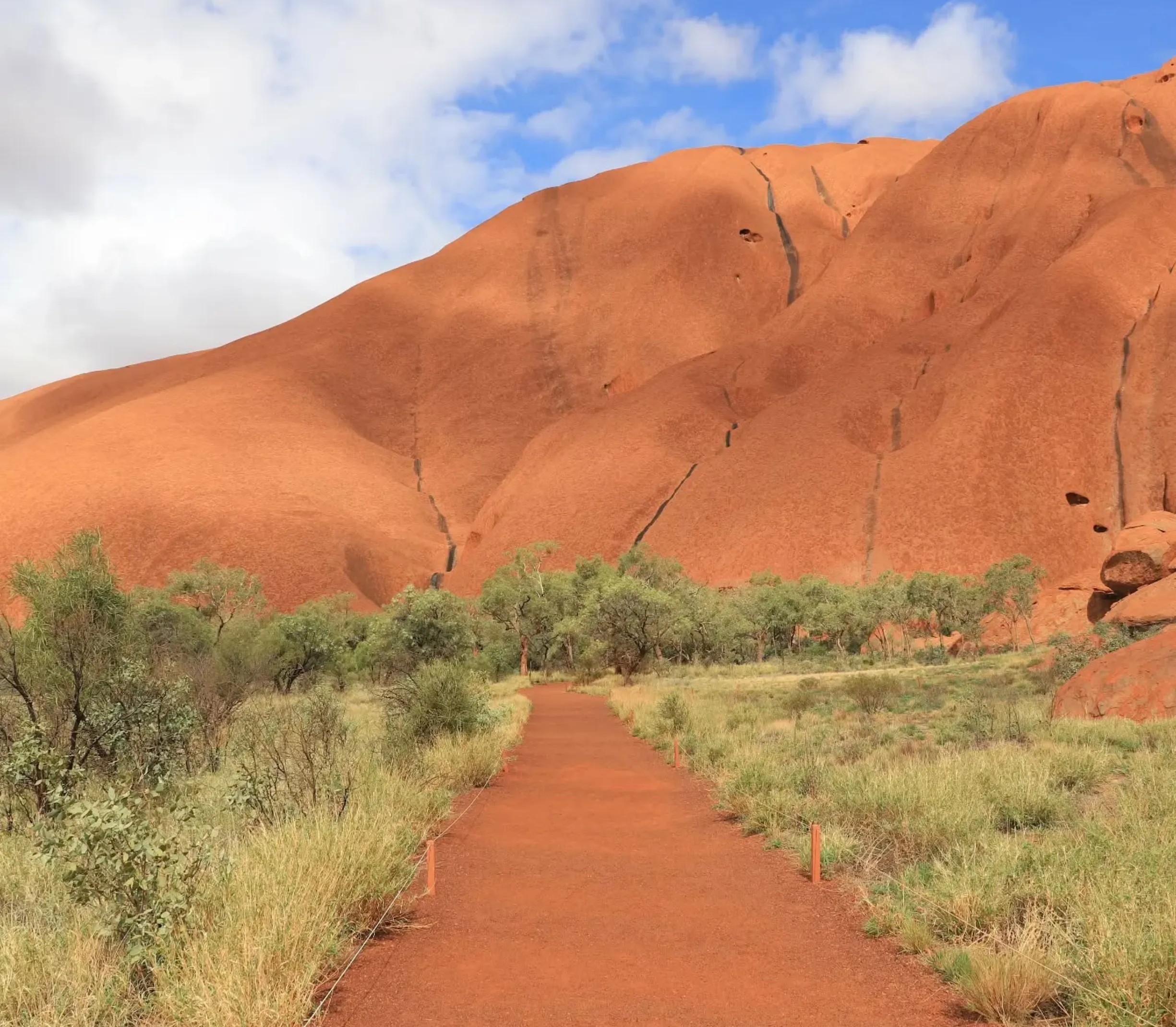
When it comes to the raw numbers, Uluru is definitely bigger than the Pyramids. But more importantly, Uluru is alive—a place of ceremony, story, and connection. It stands not just as a physical landmark, but as a spiritual beacon for those who walk the red sand trails with an open heart and respectful curiosity.
So, if you’re planning your next adventure and deciding between ancient tombs and sacred sandstone, know that Uluru offers not just size, but substance. It’s an Aussie icon—and it’s waiting for you.
FAQ
Is Uluru the largest rock in the world?
Uluru is one of the world’s largest monoliths, but Mount Augustus in WA is larger by mass. However, Uluru is far more iconic and culturally significant.
How long does it take to walk around Uluru?
The full Uluru Base Walk is 10.6 km and takes about 3.5 hours at a steady pace.
Is Uluru bigger than Mount Everest?
In absolute height—no. Mount Everest is the tallest mountain. But Uluru is a massive single rock formation with a unique geological identity.
Can I climb the Pyramids like Uluru?
Climbing the Pyramids is illegal and punishable by law. Similarly, climbing Uluru is now closed permanently to protect cultural values.
Which experience is more immersive—Uluru or the Pyramids?
Uluru offers a more natural, peaceful, and culturally connected experience, while the Pyramids are steeped in ancient archaeology and historical wonder.